
Workshop
Software & buildingUseful AI systems, inspectable tools, and ideas made real.
A personal library
I build useful AI systems and share what I learn. My interests also lead through philosophy, yoga, forests, and natural water.
These worlds connect the work I do with the life I want to make room for.
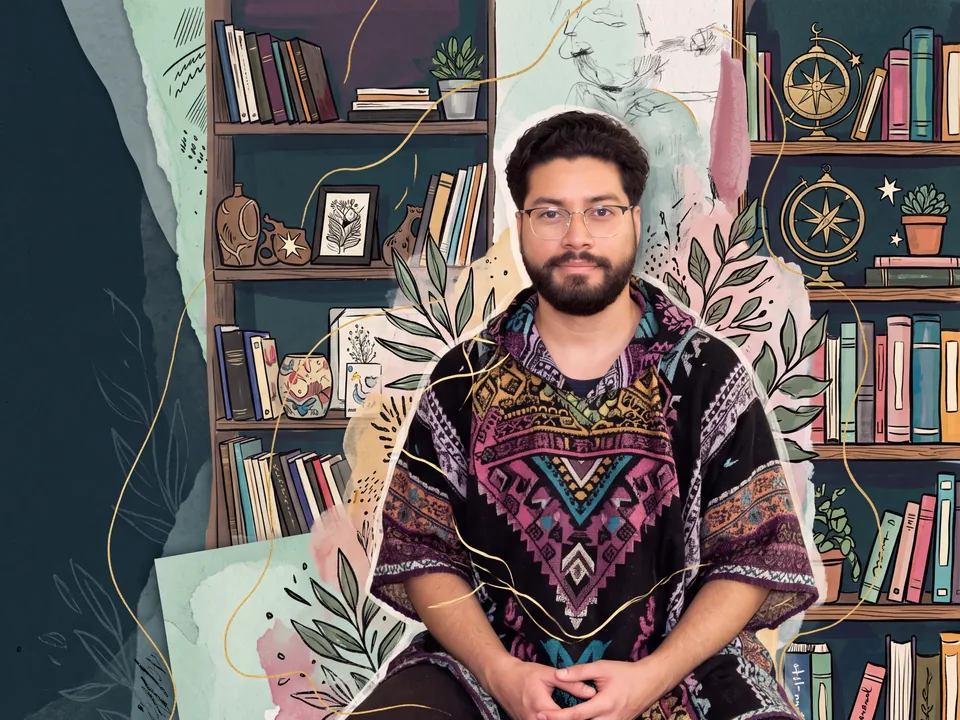
Choose a world. Open its topics when you want more.
Useful AI systems, inspectable tools, and ideas made real.
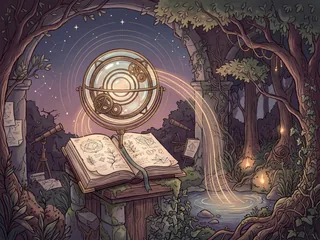
Philosophy, worldviews, and questions worth keeping open.
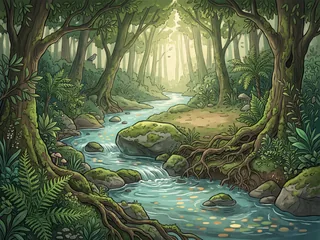
Yoga, forests, natural water, and room for the people I love.
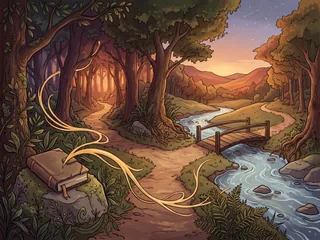
Trading, travel, stories, and learning from unfamiliar perspectives.
Choose a question to explore across different parts of my life.
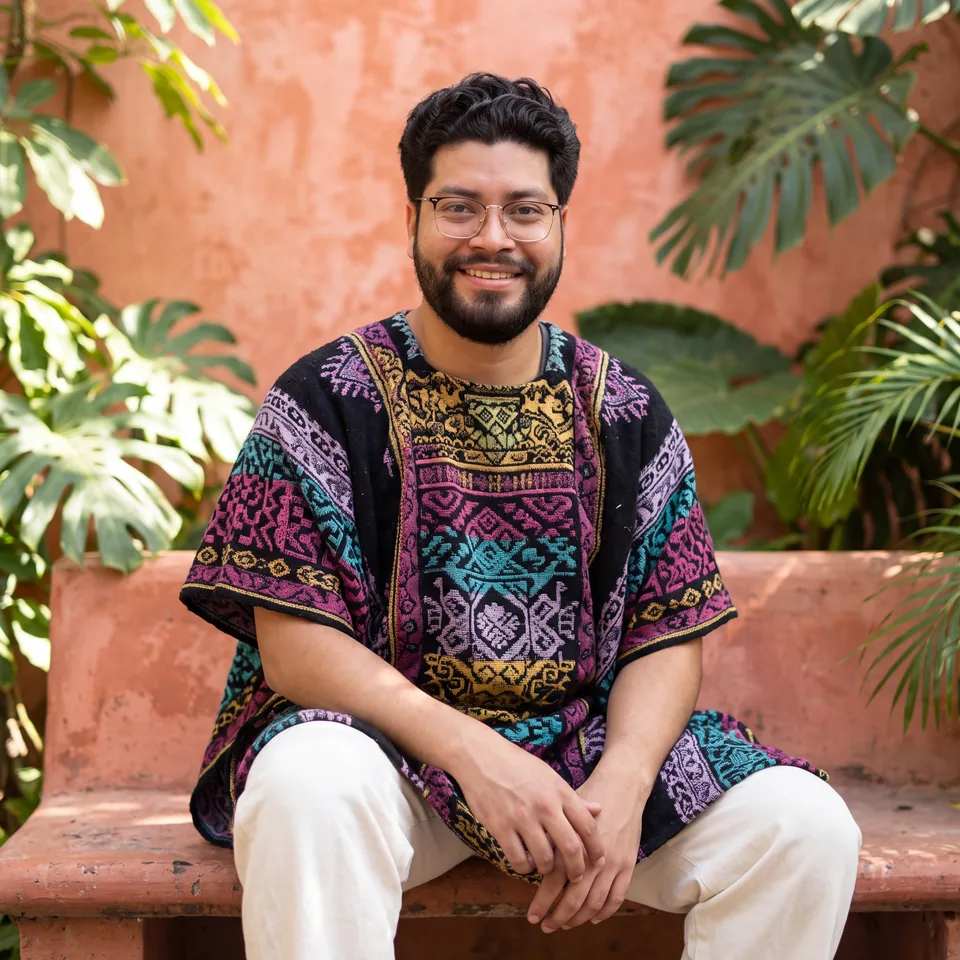
The portraits are AI-assisted interpretations of my photographs. The illustrated worlds express my interests, not places I claim to have visited.
They bring together colorful textiles, nature, and connected knowledge.
Waldo Ibarra · Made with curiosity and care.
The Workshop
I build software and the working systems around AI agents. I like when a good idea becomes something people can actually use, understand, and improve.

Build it so someone else can change it.
I like working from a clear problem toward something a team can inspect and change. That includes architecture, developer tools, practical AI, and explanations that survive handoff.
My public work is on GitHub . For career context, view my résumé or visit LinkedIn.
I ask what problem we are solving and who will use the result. Then I name assumptions and test a small version. Feedback may change the plan. I want the next person to understand the decision without needing me in the room. See how this site applies that choice.
It is the instructions, tools, and checks that help people work with agents. Instructions explain the task. Tools define the agent's reach. Clear boundaries show when a person must decide. Tests and review make the resulting work easier to verify. A good harness also makes failures understandable and recovery possible.
A test does not replace judgment. I want a reviewer to see the behavior, the boundary, and what remains uncertain.
Small changes make feedback easier to use. A clear recovery path matters when an assumption fails. Inspect the evidence ladder.
Compare this with checking whether beliefs match actions .
Pi Lens makes tool runs expandable without changing their execution. My dotfiles expose another bounded example of agent guidance.
Sharing a working structure invites questions and improvements, not blind reuse. Explore the policy delivery note.
How can shared guidance reach different coding agents without pretending they load instructions alike? I give a rule one canonical owner, then adapt its delivery to each client.
My public dotfiles document configuration ownership. The Cursor rule renderer expands a marker and replaces rendered output atomically. Its tests cover repeated runs, invalid inputs, migration, and replacement failure.
This trades a small adapter and its tests for fewer competing copies of policy. A correctly rendered file still does not prove an agent loaded or followed it. See the verification boundary or return to the harness topic.
A file can exist without being discovered, loaded, or followed. I separate source, installation, fresh-session loading, and exercised behavior.
The public verification guide names those boundaries. A Pi startup check examines effective prompts and skill discovery in fresh workspaces. It needs an installed Pi package; its source is not evidence of a current passing run.
A passing startup check would establish loading under those test conditions, not future model compliance. That is why review and recovery remain separate from setup.
What should work before a script runs? On this site, links, disclosures, and the relationship directory live in the HTML response.
The homepage source contains the reading paths. The enhancer adds panel selection, fragment-aware focus, titles, and interruptible decorative motion. Browser tests check navigation and no-script reading.
Native HTML reduces runtime machinery for this content-led site. It does not remove the need to test focus, history, mobile layout, and reduced motion. Follow the artifact to production.
A new route may refer to an artifact object absent from the previous build. Deleting old objects before CloudFront changes can break the site.
The delivery decision replaces independent pipelines. Recipes build and check, save an infrastructure plan, stage files, apply, then wait. Finally, they clean obsolete objects and invalidate caches. S3 access and distribution routing remain explicit Terraform rather than third-party modules.
This favors inspection and ordering over a faster website-only pipeline. Staging is not atomic; mocked infrastructure tests cannot prove live edge propagation. Return to the site's implementation.
Pi Lens folds Pi's tool runs into a transcript you can expand when you need details. It changes the display, not tool execution or model context. The code and limitations are public if you want to inspect them.
My dotfiles show how I configure tools and guidance around AI coding agents. I want to help teams improve their own harnesses and learn together from real work. I also like helping leaders make technical decisions with evidence.
The tools matter. So does the thinking behind them. Visit the Observatory →
The Observatory
I am curious about why we believe what we believe. Philosophy, different worldviews, and honest conversations help me examine the picture I think I see.
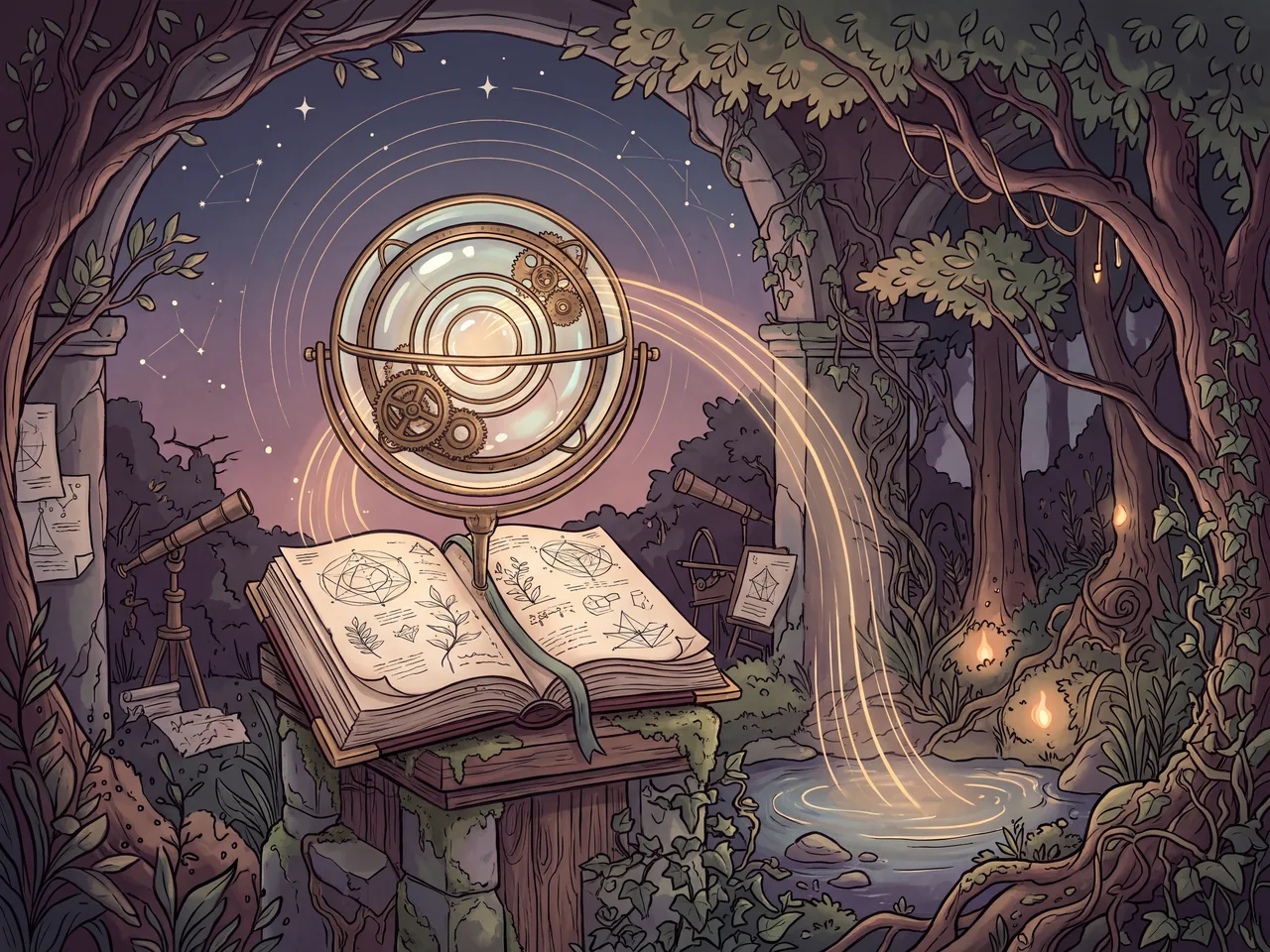
A good question leaves room for an answer I did not expect.
I enjoy Stoic inquiry, theories about reality, and geopolitics. I ask what supports an explanation and what might change my mind. Listening to someone else's view helps me find blind spots.
I learn by discussing an idea with a person or an LLM. I also structure notes as though I were teaching someone else. My AI learning map follows a need through design and feedback. If I cannot explain a claim clearly, I look for the gap before defending it. A useful conversation makes assumptions visible without requiring agreement.
Keeping my word matters to me. When my decisions and actions diverge, I want feedback early enough to change course. A coherent worldview should survive honest questions.
That same feedback loop appears in structured trading notes and software review .
Stoic ideas and questions about reality interest me. An appealing explanation is not automatically evidence.
I can compare what a view explains, where it breaks, and what remains unknown. Fiction can open a question without becoming a claim about the world. Read the evidence note.
Stories at the Crossroads offer another way to explore possibilities.
Metaphysics, mysticism, and Stoic questions interest me. Similar words in different theories can invite comparison without establishing agreement.
I ask what each explanation predicts or clarifies, and where their meanings diverge. I keep a question open when I cannot tell what evidence would distinguish the views. A compelling story can change which question I ask; it cannot establish an empirical answer.
This approach can leave uncertainty unresolved rather than offer a neat conclusion. That is preferable to mistaking a shared metaphor for proof. Return to worldviews or explore fiction as possibility.
When I study AI engineering, I organize knowledge around how a need becomes an outcome. My private AI Architecture Big Picture repository maps those connections. It is learning material, not a shipped AI product.
I trace requirements into architecture and data boundaries. Evaluation asks which risks a check addresses. Operations show how actual use can change the design. The map distinguishes a development agent harness from AI inside a delivered product.
Some topics have detailed explanations; others remain outlines. A neat index alone does not prove I can build or operate every system it describes. Return to learning aloud or inspect verification levels.
Perspective is easier to practice when I slow down. Walk into the Garden →
The Garden
Ambition means more to me when it leaves room for love, health, and being alive today. I practice yoga and meditation; I am still learning to pay attention.
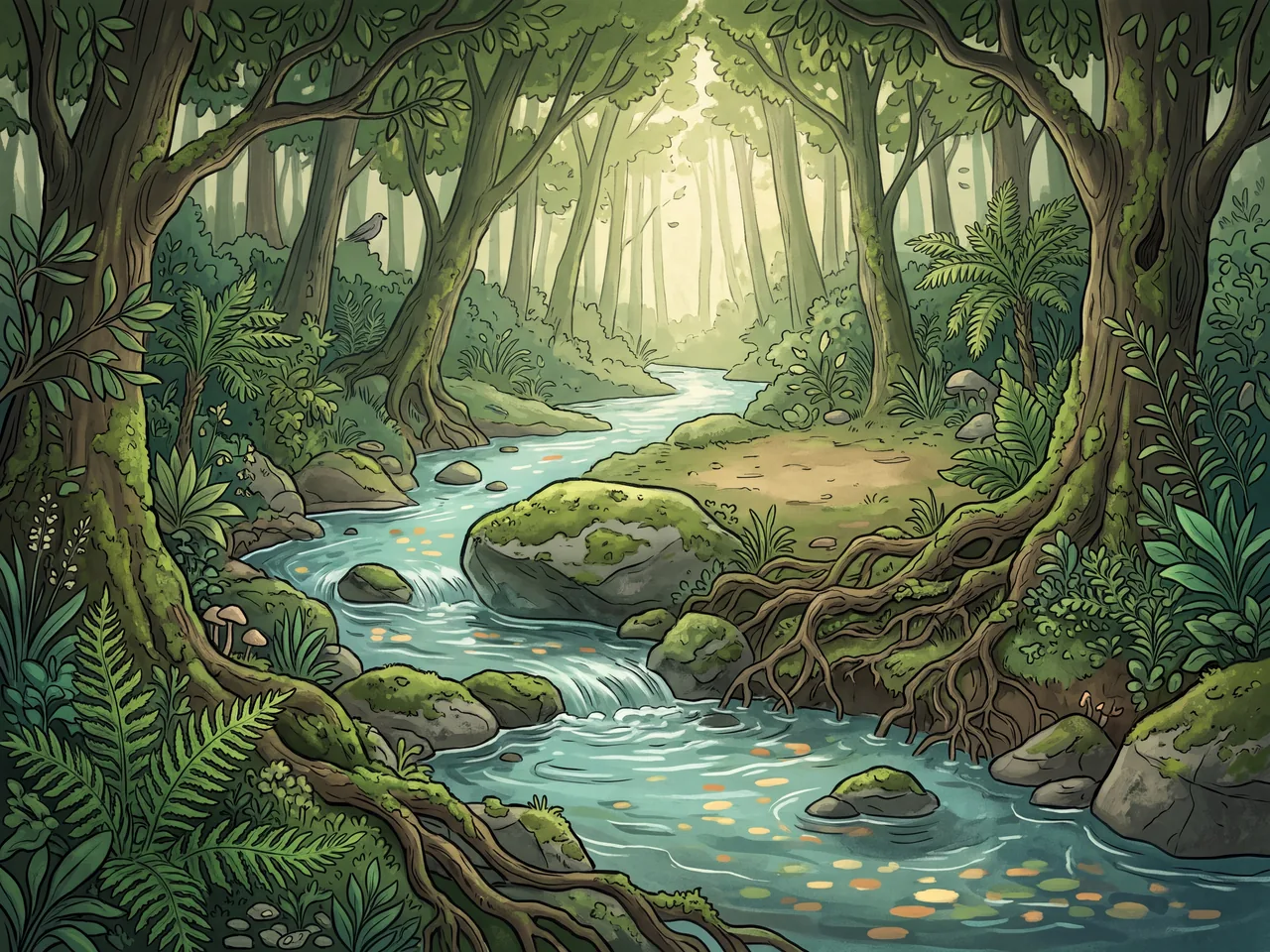
Attention is a practice, not an achievement.
I love forests and natural water. Those places remind me to leave room beyond the screen. Yoga, a conscious breath, and time with people I love matter alongside ambition.
Yoga and meditation help me notice what is happening before I try to change it. Sometimes I simply pause and breathe consciously. I return to these practices because attention takes practice. Read why I make room for it.
I want more time, freedom, and knowledge for the people I care about. Health and relationships matter alongside those goals. Automation is useful when it gives us room for life outside the screen. See how private prototypes test that aim.
The Workshop explores the systems that can create that room.
Care belongs in how I spend time and in how I treat people. Helping someone who asks matters more than appearing to have every answer.
That changes how I listen during a conversation .
Software should follow a demonstrated need. It should not turn every shared intention into a metric. Private family experiments help me ask which observations matter. They do not impose a system.
My private Habit Tracker prototype tests a short routine with a review point. Another prototype turns older intentions into choices that start unverified. Neither proves a sustained benefit, completed goal, or shared commitment. No family habit application has shipped from these experiments.
My private Money Tracker prototype analyzes spending history while preserving original labels. It suggests categories only for gaps. Conflicting suggestions remain unknown, with source provenance available for review. It is a local report, not a budget or complete financial picture. It is not a production money application.
These boundaries protect time, agency, and privacy while leaving room to learn. Return to time and freedom or see a public implementation.
Yoga, meditation, and a conscious breath are ways I practice noticing before acting. They are not claims that I am always calm or that a technique guarantees health.
I prefer exploring among trees to spending every free hour in front of a screen. That preference helps me question an automation that saves clicks but costs attention or upkeep. More output is not automatically more time with the people I love.
I return to this question rather than pretending to have solved balance. Return to presence or see why a prototype can be enough.
More time to learn, more freedom to choose, and more care for the people I love.
These are intentions, not a scorecard. Useful automation matters when it makes room for them.
Attention also makes space for new directions. Follow the Crossroads →
The Crossroads
My interests rarely stay in one lane. Trading challenges my discipline. Marketing and sales are subjects I am exploring. Travel and stories invite different ways to see.
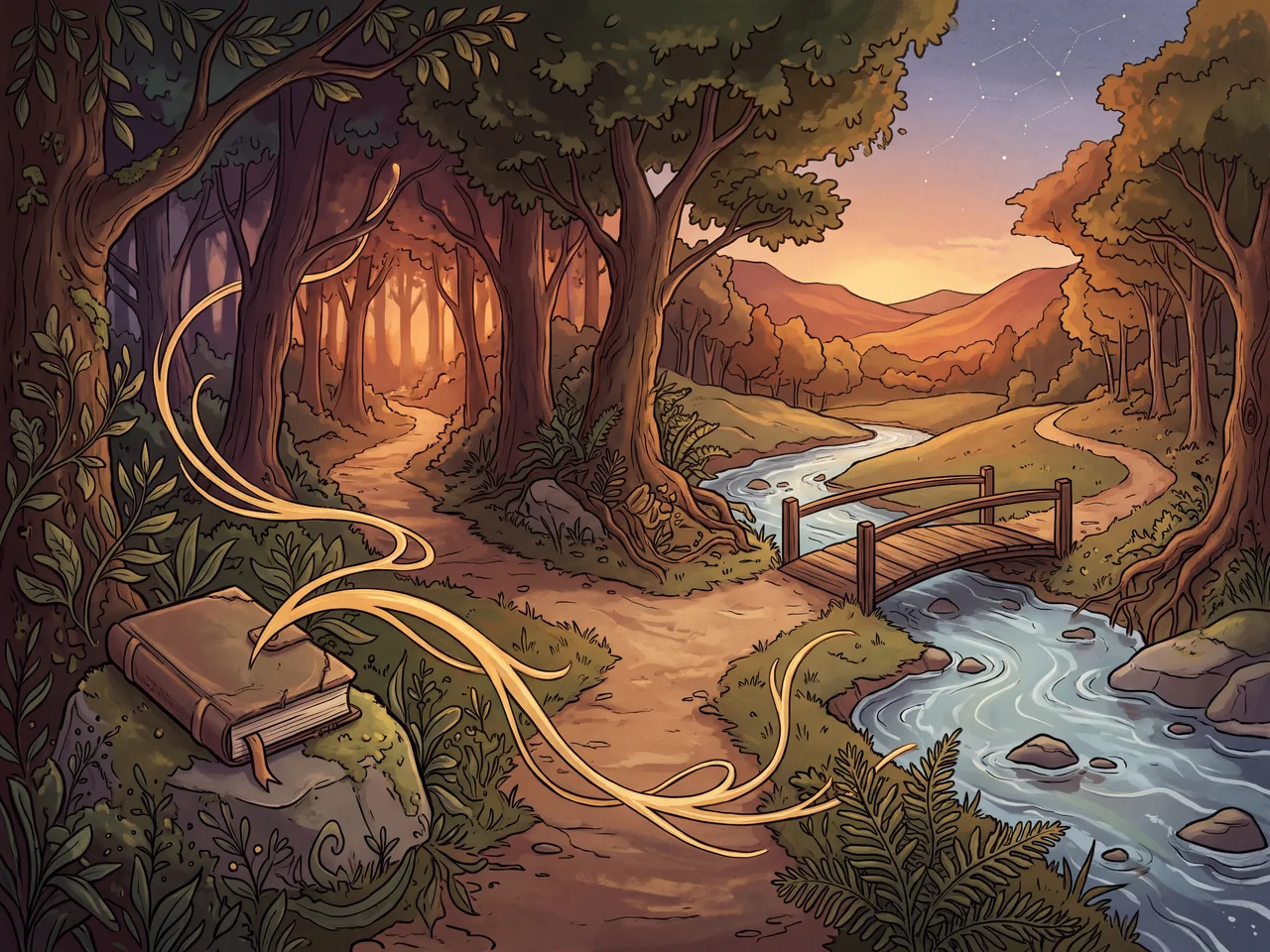
The route changes. The habit of making sense stays.
I like anime, gaming, and time-travel stories, especially Steins;Gate. Away from the screen, I am drawn to forests, rivers, and unfamiliar paths.
For me, trading is a psychological exercise in self-control, not a promise of results.
My public Trading Journaling Guide covers daily planning and per-trade notes. Structured tags connect setups, conditions, and behavior.
Reflection compares intention with what happened. Its weekly and monthly sections remain unfinished. Read the decision note.
That structure connects to coherence and reviewable systems .
Right now I am curious about AI, marketing, and sales. I want to understand how people find useful ideas and decide which ones deserve attention.
I want to understand the requirements behind an offer, its tradeoffs, and how feedback improves it. Explaining an idea clearly is part of that inquiry.
I am drawn to places with more trees than buildings. Travel invites new perspectives without needing a checklist of destinations.
Time-travel fiction, especially Steins;Gate, lets me consider choices and alternative outcomes. These are imaginative questions, not claims about literal parallel realities. Read the perspectives note.
Return to attention in the Garden or questions in the Observatory .
I treat trading as a test of self-control, not a promise of returns. A planned setup and the behavior during a trade are different observations.
My public Trading Journaling Guide describes a pre-session plan, per-trade notes, tags, and reflection. Tags help compare setups, market conditions, and behavior without erasing what happened. The weekly and monthly guide sections are unfinished.
A journal can make a mismatch visible; it cannot make an individual result predictable. No private records or returns appear here. Return to trading or question coherence.
Time-travel stories, especially Steins;Gate, make me consider alternative choices. Anime, horror, and occasional gaming offer perspectives beyond my daily routines.
Those possibilities invite questions about consequence. Fiction is not evidence of literal timelines. I also follow geopolitics, corporations, and startups. Those interests do not establish a particular political position or specialist expertise.
For an unfamiliar account, I ask whose perspective is missing. What evidence could challenge it? Return to places and stories or compare explanations.
A record makes the next question sharper.
The public guide describes a repeatable process, not a record of returns.
Curiosity is better shared. Meet at Connect →
A place to meet
Tell me what you are thinking about. A technical problem, a question, or a shared curiosity is a good place to start.
 WhatsApp
Chat with me ↗
 Email
Write to me directly ↗
 LinkedIn
Talk about work ↗
 GitHub
Explore what I build ↗
 Instagram
A more personal window ↗
Prefer a career overview? View my résumé.
Keep exploring the library